Seoul is the capital, with five Joseon royal palaces, a royal shrine and two UNESCO sites in its old centre. This guide covers 12 places, how to reach the city, and the opening rules to check before you go.
The places below are ones that Visit Seoul or the Korea Tourism Organization (KTO) features, plus sites with an official designation (UNESCO World Heritage) or run by the Royal Palaces and Tombs Center of the Korea Heritage Service. They are ordered by area and walking route, not by popularity.
Getting there and around
Most visitors arrive at Incheon International Airport. Visit Seoul lists the AREX Express Train as a non-stop service between the airport and Seoul Station that takes about 40 minutes, and an all-stop train that takes just under 60 minutes (Visit Seoul, checked 2 Nov 2026). It also lists airport buses and taxis. The fares on that page are marked as estimates or may be out of date, so use our Incheon Airport to Seoul guide and the operator’s page for current prices.
Seoul Station is also a rail hub (Visit Seoul names KTX and Subway lines 1 and 4 there). For long-distance trains see KTX booking with a foreign card; for buses see intercity express buses.
Inside the city, the subway is the simplest way to reach almost every place below. Visit Seoul says a transfer discount applies if you change within 30 minutes of getting off (1 hour between 9 pm and 7 am) and you pay with a transport card. See How to ride the Seoul subway, T-money with a foreign card and Climate Card and tourist passes. For taxis without a Korean number, see taxis, and for maps see Naver Map vs Google Maps vs Kakao Map.
For maps, translation and transport apps that work in Korea, see our apps for Korea guide.
Major sights
Gyeongbokgung Palace (경복궁)

Gyeongbokgung was built in 1395 as the main palace of the Joseon dynasty. Visit Seoul calls it the first and largest of the royal palaces, and the KTO record notes that it still has the original Gyeonghoeru Pavilion. The grounds also hold two national museums.
- Getting there: Per Visit Seoul, Gyeongbokgung Station (Line 3) Exit 5 or Gwanghwamun Station (Line 5) Exit 2.
- Hours, closed days, admission: Per the Royal Palaces and Tombs Center, checked 2 Nov 2026: 09:00-17:00 in November to February (last entry 16:00), 09:00-18:00 in March to May and September to October, 09:00-18:30 in June to August. Closed Tuesdays. Adults aged 19-64 pay ₩3,000. Free for ages 18 and under, ages 65 and over, hanbok wearers and on Culture Day (last Wednesday of each month). English free tours run Wednesday to Monday at 11:00, 13:30 and 15:30.
- Official page · Map
Bukchon Hanok Village (북촌한옥마을)
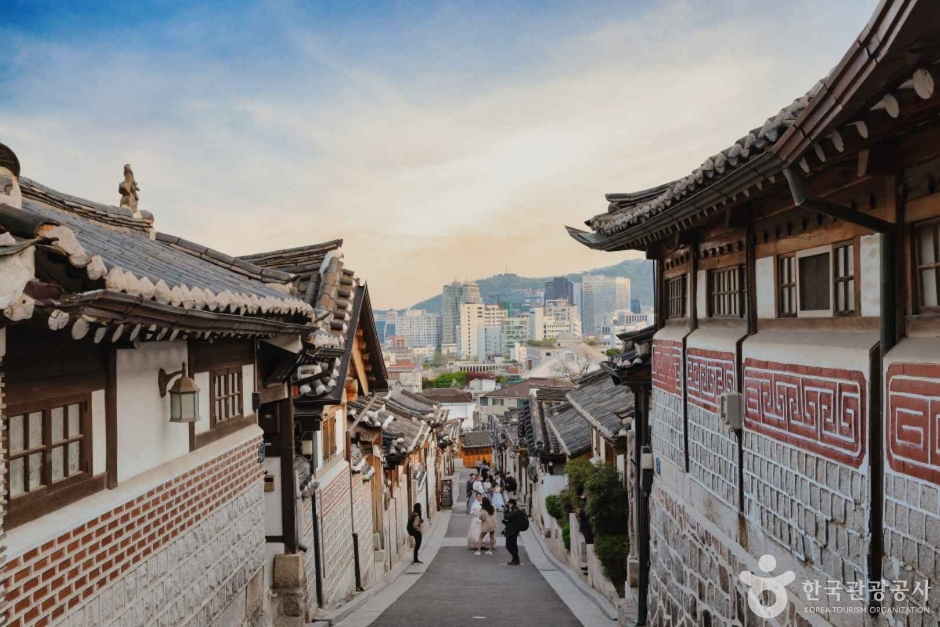
Bukchon is a residential neighbourhood of traditional Korean houses called hanok (한옥), set between Gyeongbokgung, Changdeokgung and Jongmyo. Visit Seoul describes it as a living neighbourhood first and a tourist spot second, and says visiting hours are restricted.
- Getting there: Per Visit Seoul, Anguk Station (Line 3) Exit 3, 516 m.
- Hours, closed days, admission: Per Visit Seoul, checked 2 Nov 2026: visiting hours are 10:00-17:00, and entering the restricted areas between 17:00 and 10:00 the next day is prohibited. The page lists no closed days and no admission fee. It asks visitors to stay quiet, keep groups to 10 or fewer, avoid megaphones, and not to photograph house interiors.
- Official page · Map
Insa-dong (인사동)
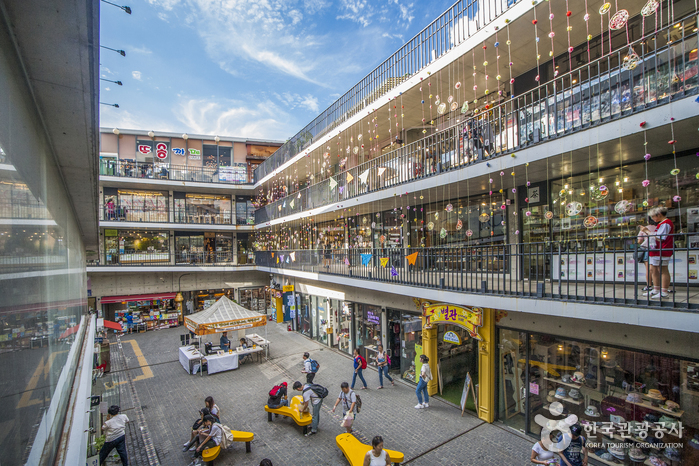
Insa-dong is a central street with side alleys of galleries, teahouses, traditional restaurants and craft shops. The KTO record counts about 100 galleries in the area. Visit Seoul describes it as a neighbourhood of tea houses, boutique galleries and snack vendors.
- Getting there: The Visit Seoul page does not give a station. Use a map app.
- Hours, closed days, admission: No general hours are published on the Visit Seoul page. The KTO record says the main street closes to cars on Saturday from 14:00 to 22:00 and Sunday from 10:00 to 22:00 (record last updated 2024), so check before relying on it. Shops set their own hours.
- Official page · Map
Changdeokgung Palace and Huwon (창덕궁)

Changdeokgung was built in 1405 as a secondary palace and, after the 1592 invasion, was rebuilt before the other palaces. UNESCO inscribed the Changdeokgung Palace Complex in 1997, citing its buildings fitted into the natural landscape and its rear garden, the Secret Garden (Huwon, 후원). The garden needs its own ticket and a timed entry.
- Getting there: Per the Royal Palaces and Tombs Center, Anguk Station (Line 3) Exit 3, about 5 minutes on foot.
- Hours, closed days, admission: Per the Royal Palaces and Tombs Center, checked 2 Nov 2026: palace area 09:00-17:30 from November to January (last entry 16:30). Secret Garden 10:00-17:00 in November and 10:00-16:10 from December to February, entry only at the time on your ticket, 100 people per session. Closed Mondays. Palace ₩3,000 for adults; the garden is an extra ₩5,000 for adults, and late arrival means no entry and no refund.
- Official page · Map
Changgyeonggung Palace (창경궁)
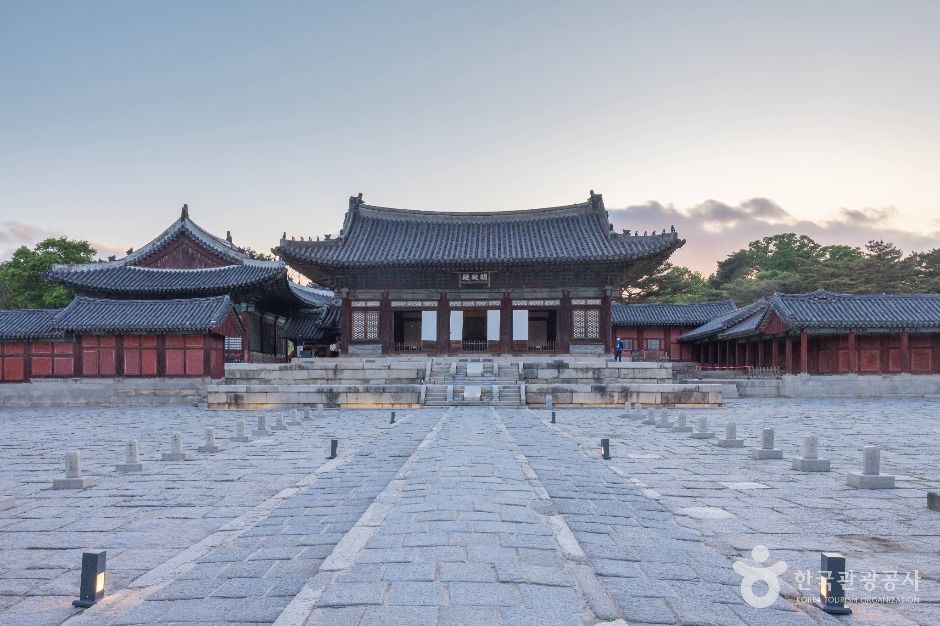
Changgyeonggung began as a palace for a retired king, was enlarged in the 15th century and mainly housed the royal family. During the Japanese colonial period it was turned into a park with a zoo and botanical garden, and its palace status was restored in 1983 (KTO record and Royal Palaces and Tombs Center). It was originally linked to Changdeokgung with no boundary between them, so the two are easy to combine.
- Getting there: The official pages do not give a station. Use a map app.
- Hours, closed days, admission: Per the Royal Palaces and Tombs Center, checked 2 Nov 2026: 09:00-21:00 all year (last entry 20:00). Closed Mondays. Adults aged 19-64 pay ₩1,000, the same for foreigners and Koreans.
- Official page · Map
Jongmyo Shrine (종묘)

Jongmyo was the main place of worship for Joseon kings and queens, and it still hosts the royal ancestral memorial rite, Jongmyo Jaerye. UNESCO inscribed it in 1995. Visit Seoul says its main hall, Jeongjeon, is said to be the world’s longest single wooden building, at 109 m.
- Getting there: Per Visit Seoul, Jongno 3-ga Station (Lines 1, 3, 5) Exit 8, about 220 m.
- Hours, closed days, admission: Per Visit Seoul and the Royal Palaces and Tombs Center, checked 2 Nov 2026: closed Tuesdays; adults pay ₩1,000. On weekdays entry is by timed guided tour only (English tours at 10:00, 12:00, 14:00 and 16:00). Weekend and holiday rules are worded differently on the two pages, and both still carry old notes about main-hall renovation. Check the official page before you travel.
- Official page · Map
Gwangjang Market (광장시장)
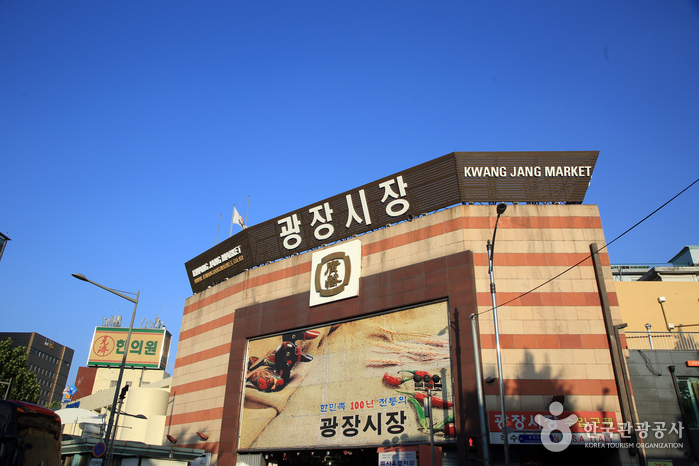
VisitKorea calls Gwangjang the first permanent market in Korea. It sells fabrics, groceries, dried fish and traditional goods, and its best-known section is the food street near the East Gate, North Gate 2 and South Gate 1.
- Getting there: No station is stated on the official page. Use a map app.
- Hours, closed days, admission: Per VisitKorea (KTO), checked 2 Nov 2026: general shops 09:00-18:00, closed Sundays. The food street is listed as 09:00-23:00 and open all year.
- Official page · Map
Dongdaemun Design Plaza (동대문디자인플라자)
Dongdaemun Design Plaza (DDP) opened on 21 March 2014 and hosts exhibitions, fashion shows, forums and conferences. The KTO record says it was designed by the architect Zaha Hadid and that its curved exterior draws photographers.
- Getting there: Per Visit Seoul, Dongdaemun History & Culture Park Station (Lines 2, 4, 5) Exit 1.
- Hours, closed days, admission: Per Visit Seoul, checked 2 Nov 2026: 10:00-20:00, varying by space; the page also gives the information desk as 10:00-21:00 and lists closures on 1 January, Lunar New Year’s Day and Chuseok. The same page contains a conflicting “24 hours” line. It states no fee for the plaza. Check the official page for hours and admission to each exhibition.
- Official page · Map
Deoksugung Palace (덕수궁)
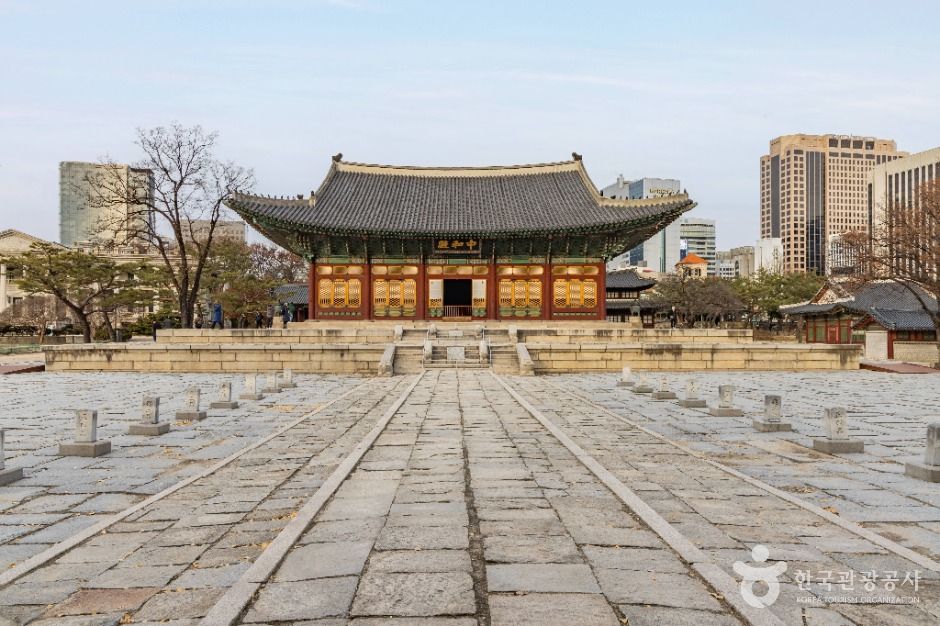
Deoksugung started as the home of a Joseon prince and became a palace after 1593. It was renamed Deoksugung in 1907 (KTO record), and Visit Seoul describes it as a residence of King Gojong. Visit Seoul says the Changing of the Royal Guard takes place in front of Daehanmun gate but gives no times, so check the official page for the schedule.
- Getting there: Per Visit Seoul, City Hall Station (Lines 1 and 2) Exit 1, 72 m.
- Hours, closed days, admission: Per the Royal Palaces and Tombs Center, checked 2 Nov 2026: 09:00-21:00 (last entry 20:00). Closed Mondays. Adults aged 19-64 pay ₩1,000.
- Official page · Map
N Seoul Tower (남산서울타워)
Visit Seoul says the tower was built in 1969 as Korea’s first integrated broadcast tower and has been open to the public since 1980. It stands on top of Namsan (262 m) and is 236.7 m tall. The KTO record also mentions the Namsan Cable Car, which has run since 1962.
- Getting there: Per Visit Seoul, take Bus 01 (Namsan Circular) from Chungmuro Station Exit 2 to the Namsan Seoul Tower stop, or use the cable car.
- Hours, closed days, admission: Per Visit Seoul, checked 2 Nov 2026: 10:00-22:30 on weekdays and 10:00-23:00 on weekends (last entry 30 minutes before closing), open daily. Observatory ₩29,000 for adults. Cable car 10:00-23:00, round trip ₩15,000 for adults. Prices change, so confirm on the tower’s own site.
- Official page · Map
National Museum of Korea (국립중앙박물관)
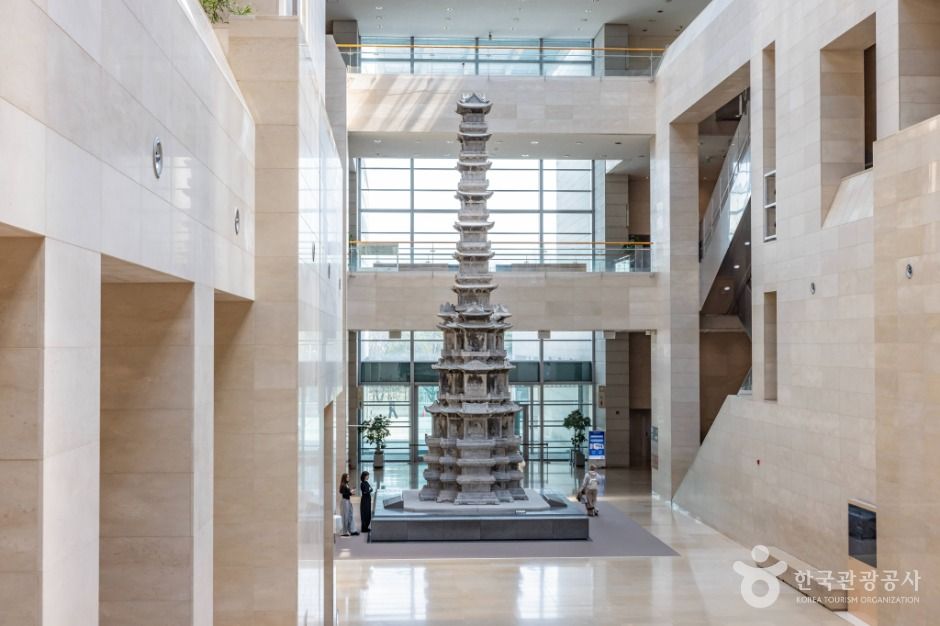
The museum holds artefacts from ancient times to the modern era and has a Children’s Museum and an outdoor area with pagodas and large stone works. It also hosts concerts and cultural events (KTO record).
- Getting there: Per the museum, Ichon Station (Line 4 or Gyeongui-Jungang Line) Exit 2, then about 150 m.
- Hours, closed days, admission: Per the museum, checked 2 Nov 2026: 09:30-17:30 on Monday, Tuesday, Thursday, Friday and Sunday, and 09:30-21:00 on Wednesday and Saturday. Admission is free except special exhibitions. Closed on 1 January, Lunar New Year’s Day and Chuseok. The page also lists closures on the first Monday of March, June, September and December, so check the date you plan to go.
- Official page · Map
Yeouido Hangang Park (여의도한강공원)
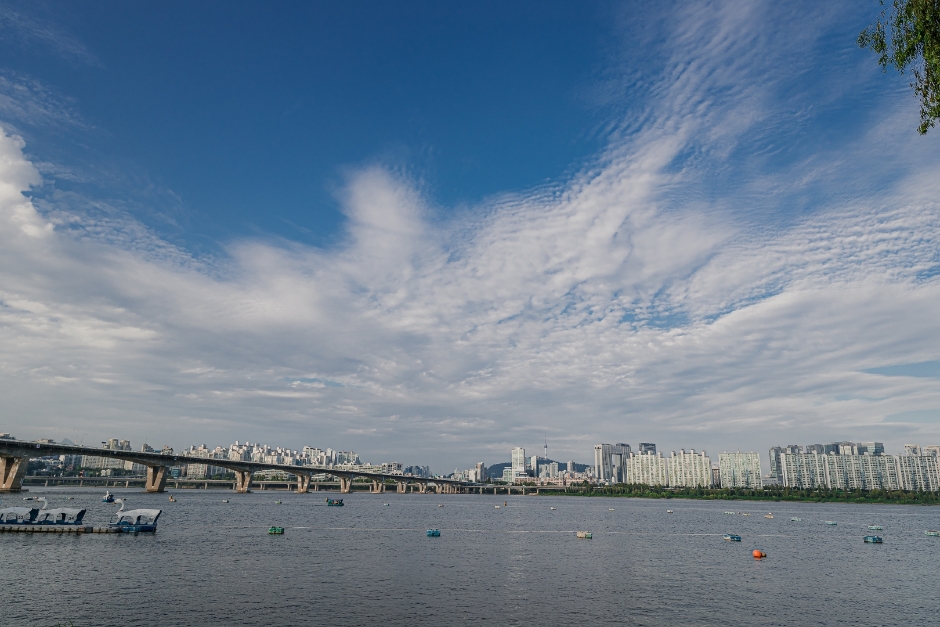
This riverside park on Yeouido hosts the spring cherry blossom festival, an autumn international fireworks festival and other events (KTO record). Visit Seoul says it is open 24 hours and describes riverside picnics with delivered food. Bike rental is run by Seoul’s public bike scheme; see Seoul Bike (Ttareungyi) with a foreign card.
- Getting there: Per Visit Seoul, Yeouinaru Station (Line 5) Exits 2 and 3, about a 4-minute walk.
- Hours, closed days, admission: Per Visit Seoul, checked 2 Nov 2026: open 00:00-24:00 daily. The page states no entry fee. Event dates and pool or fountain schedules vary by season, and the fountain schedule on that page is marked “as of 2019”.
- Official page · Map
Practical notes
- Closed days differ. Per the Royal Palaces and Tombs Center, Gyeongbokgung and Jongmyo close on Tuesdays; Changdeokgung, Changgyeonggung and Deoksugung close on Mondays. If a public holiday falls on the closing day, the palace opens and closes the next day instead.
- Winter hours are shorter. Gyeongbokgung closes at 17:00 from November to February, and Changdeokgung’s Secret Garden has a shorter window from December to February.
- Culture Day. The palace pages list free admission on the last Wednesday of each month.
- Royal Palace Pass. The official pages disagree on price (₩6,000 on some, ₩10,000 on the Deoksugung page) and validity (three or six months). Ask at a palace ticket office. For booking rules, see Booking attractions and palaces as a foreigner.
- Holidays and weather. See Korean public holidays 2026-2027 and Korea weather by season.
- Before travel. Hours, fees and event schedules change. The call centre mentioned by Visit Seoul for tourist queries is 1330.
Related guides
- Busan Travel Guide: Major Sights and Access
- Suwon and Gyeonggi: Major Sights and Access
- Booking Attractions and Palaces as a Foreigner
Sources
- Korea Heritage Service, Royal Palaces and Tombs Center — Admission Information (all palaces and Jongmyo), checked 2 Nov 2026
- Royal Palaces and Tombs Center — Changdeokgung Palace and Its History, checked 2 Nov 2026
- Royal Palaces and Tombs Center — Changgyeonggung Palace and Its History, checked 2 Nov 2026
- UNESCO World Heritage Centre — Changdeokgung Palace Complex, checked 2 Nov 2026
- UNESCO World Heritage Centre — Jongmyo Shrine, checked 2 Nov 2026
- Visit Seoul — Gyeongbokgung Palace, checked 2 Nov 2026
- Visit Seoul — Changdeokgung Palace, checked 2 Nov 2026
- Visit Seoul — Jongmyo Shrine, checked 2 Nov 2026
- Visit Seoul — Deoksugung Palace, checked 2 Nov 2026
- Visit Seoul — Bukchon Hanok Village, checked 2 Nov 2026
- Visit Seoul — Insadong walking course, checked 2 Nov 2026
- Visit Seoul — Namsan Seoul Tower, checked 2 Nov 2026
- Visit Seoul — Dongdaemun Design Plaza (DDP), checked 2 Nov 2026
- Visit Seoul — Things to do at Hangang Park, checked 2 Nov 2026
- Visit Seoul — Getting to Seoul, checked 2 Nov 2026
- Korea Tourism Organization (VisitKorea) — Gwangjang Market, checked 2 Nov 2026
- National Museum of Korea — Visitor information and Directions by subway, checked 2 Nov 2026
- Korea Tourism Organization — place records (descriptions, coordinates and photos) for each site, checked 2 Nov 2026